Disclaimer: BatchDialer does not offer legal or financial advice. This article is for educational purposes only. Always comply with applicable cold calling laws and regulations before contacting property owners.
Key Takeaways
- Preparation leads to better conversations. Practice your scripts, role-play common scenarios, and stay consistent with your calling routine.
- Build trust before making an offer. Listen actively, show empathy, handle objections confidently, and prequalify your leads.
- Pair proven cold calling techniques with the right technology to improve connect rates, protect your caller reputation, and generate more qualified leads.
Even experienced investors hear “no” far more often than “yes.” The difference is that successful callers learn from each conversation instead of repeating the same mistakes. By refining your approach, you can improve both the quality of your conversations and your overall results.
In this article, we’ll cover 10 common cold calling mistakes and practical ways to avoid them.
1. Not Practicing Your Script
A cold-calling script can help keep your conversations focused, but having one isn’t enough. Without practice, it’s easy to lose your train of thought, stumble over key points, or sound uncertain during the call.
The goal isn’t to memorize every word. Instead, become familiar with the flow of the conversation, the questions you want to ask, and how you’ll respond to common objections. Think of your script as a guide, not a speech. Even if you’re using tools with AI-Powered Real-Time Guidance that provide contextual prompts during live conversations, practicing various scripts beforehand will help you sound more confident, adapt naturally to each homeowner, and build genuine rapport without losing sight of your objective.
2. Not Role-Playing Your Calls

Reading a script on your own isn’t the same as having a real conversation. Role-playing with a colleague or manager helps you respond more naturally to objections, refine your delivery, and think on your feet before speaking with actual homeowners.
Start by identifying the scenarios your team encounters most often, then build role-playing exercises around them.
For example:
- A homeowner who isn’t interested in selling
- Someone who objects to your offer or asking price
- A homeowner who wants more information before making a decision
- A prospect who is short on time and tries to end the call quickly
Practicing situations your team regularly faces prepares agents to adapt instead of relying on memorized responses.
Role-playing is also an opportunity to receive constructive feedback on tone, pacing, questioning techniques, and objection handling. To reinforce those lessons, choose a dialer that offers unlimited call recording so agents and managers can review conversations, identify coaching opportunities, and measure improvement over time.
3. Calling With Low Energy
Your voice is often the first impression a homeowner has of you. If you sound distracted, rushed, or uninterested, they’re less likely to engage, regardless of what you’re saying.
Homeowners often differentiate between someone who’s engaged in the conversation and someone who’s simply working through a call list.
To keep your energy consistent throughout the day:
- Stand up or walk around during longer calling sessions.
- Smile while you speak to create a warmer, more approachable tone.
- Stay hydrated and take short breaks to avoid vocal fatigue.
- Eliminate distractions so you can focus entirely on the homeowner.
4. Failing to Build Rapport

Building rapport doesn’t mean spending several minutes making small talk. It means creating a comfortable conversation where homeowners feel heard and respected.
Simple techniques can make a significant difference:
- Research the property and homeowner beforehand using a real estate software platform to have a more relevant and informed conversation.
- Introduce yourself clearly and explain why you’re calling.
- Ask open-ended questions and let them do most of the talking.
- Acknowledge their concerns instead of rushing to your next question.
- Avoid interrupting, even if you think you know where the conversation is going.
If you jump straight into your offer or sound overly transactional, you may lose their interest before you understand their situation. Again, practice makes it perfect!
5. Not Listening Actively
The goal of a cold call isn’t to deliver your entire pitch—it’s to understand whether the homeowner has a problem you can help solve.
Practice active listening by paying attention to both what homeowners say and what they don’t say. Small details about their timeline, motivation, or concerns can help you tailor your responses and determine whether the lead is worth pursuing.
As homeowners share their situation, listen for clues such as:
- Why they’re considering selling.
- How soon do they want to move?
- Any challenges they’re facing with the property?
- Whether they own other properties that they may be interested in selling.
- Questions or concerns throughout the conversation.
Pro Tip: Ask thoughtful follow-up questions that encourage them to share more. The better you understand their situation, the easier it becomes to build trust and identify qualified opportunities.
6. Neglecting Objection Handling Skills
Objections are a natural part of cold calling. They don’t always mean the homeowner isn’t interested—they often need more information, reassurance, or simply better timing.
Strong objection handling starts with understanding the concern before responding. Instead of jumping straight into your pitch, acknowledge the homeowner’s concern, ask follow-up questions, and tailor your response to their situation.
To strengthen your team’s objection-handling skills:
- Identify the objections you hear most often.
- Review call recordings to evaluate how agents responded and identify opportunities for improvement.
- Build a shared library of effective responses for common objections.
- Role-play different scenarios using real conversations as examples.
As mentioned earlier, choosing a dialer with built-in call recording makes it easier to review real conversations, identify recurring objections, and coach agents using actual examples.
Related read: Common Cold Calling Objections And How To Handle Them
7. Ignoring Your Caller Reputation
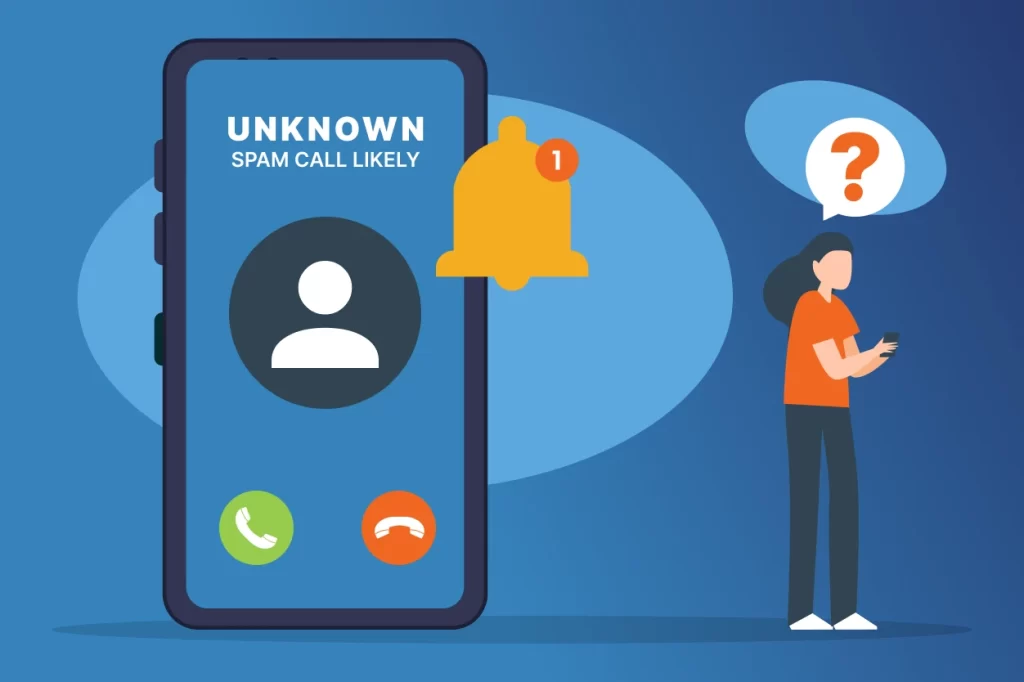
If your phone number has been flagged as spam or “Spam Likely,” your connect rate can drop significantly before the conversation even begins.
Make it a habit to monitor your phone number’s reputation and address immediately if it is labeled as spam. A healthy caller reputation helps improve answer rates and ensures your outreach efforts aren’t wasted.
To protect your caller’s reputation:
- Check your phone numbers regularly for spam labels.
- Rotate or replace numbers that have developed a poor reputation.
- Follow cold calling best practices and comply with applicable regulations.
- Use caller reputation monitoring tools to identify issues early.
Choosing a dialer with built-in phone reputation monitoring, spam detection, and automatic number replacement can help keep your outreach running smoothly. If you’re calling on behalf of a business, look for one that also includes business verification, such as BatchDialer’s Remediation feature, to help strengthen your caller reputation and reduce the likelihood of spam labeling.
Watch: BatchDialer Remediation: Reduce Spam Risk & Improve Answer Rates
8. Not Following a Consistent Calling Schedule
Cold calling is most effective when it’s part of a consistent routine. Instead of calling whenever you feel motivated, block dedicated time on your calendar and treat it like any other business appointment.
To stay on track:
- Set realistic daily or weekly calling goals.
- Schedule dedicated calling blocks with minimal distractions.
- Track key metrics like connect rate and appointments booked.
- Follow up with homeowners as per your strategy or if requested.
Over time, a disciplined calling routine will produce better results than relying on occasional bursts of activity.
9. The “I’ll Do It Tomorrow” Mindset
This is one of the most common mistakes that all investors or wholesalers make: they postpone today’s work to the next day. Procrastination is the thief of time, especially when you’re cold-calling in real estate. It’s easy to convince yourself you’ll make your calls tomorrow, especially after a busy day, a difficult conversation, or while waiting for the “perfect” script or lead list.
The problem is that tomorrow often turns into next week, and every delayed conversation is a missed opportunity to connect with a motivated seller. Instead of striving for perfection, focus on consistency. Set realistic daily calling goals, stick to your schedule, and remember that every call, whether it ends in a deal or a rejection, helps improve your skills.
Pro Tip: Set a simple daily goal, like making 30 calls a day, regardless of the outcome. Building the habit of consistent outreach is more important than waiting for the perfect time to call.
10. Not Prequalifying Leads
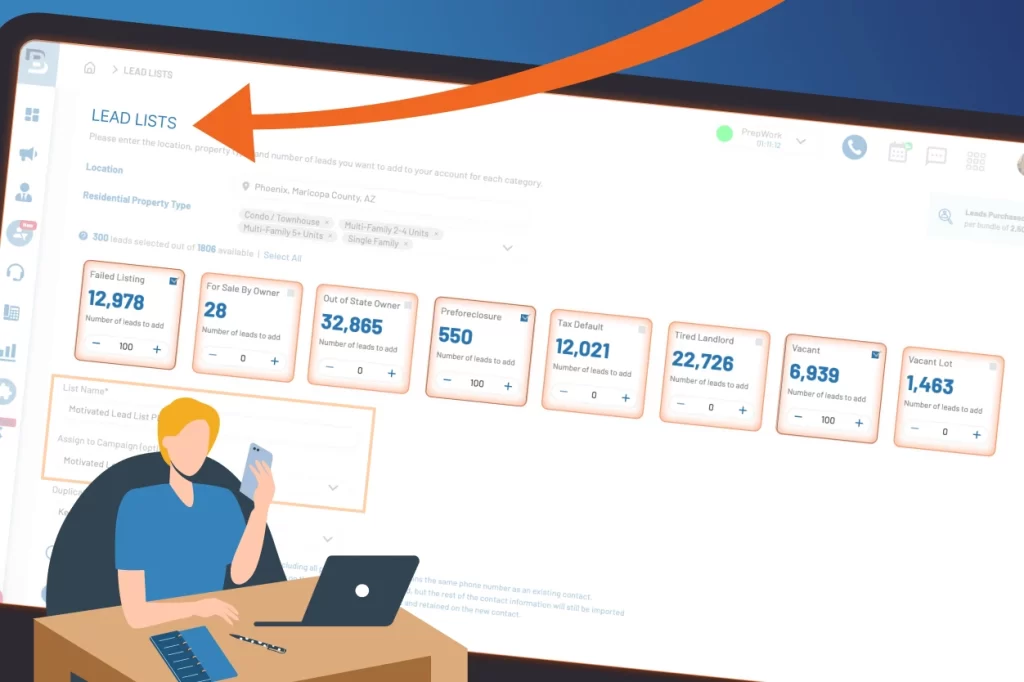
Not every property owner is equally likely to sell. Starting with a prequalified lead list allows you to spend more time speaking with homeowners who are more likely to need your services.
There are several ways to build a more targeted calling list before you ever pick up the phone. For example:
- Purchase ready-to-call Lead Lists, such as Failed Listings, FSBOs, Out-of-State Owners, Preforeclosures, Tax Defaults, Tired Landlords, and Vacant Properties.
- Use a real estate platform like PropStream to build custom lead lists based on property, ownership, equity, and distress criteria.
- Layer additional filters to narrow your list even further based on your investment strategy.
Once you’ve connected with a homeowner, confirm key qualification details, including:
- The property’s condition.
- Their timeline for selling.
- Their motivation.
- Their price expectations.
Starting with better-qualified leads and asking the right questions during the call helps you spend less time chasing unqualified opportunities and more time having meaningful conversations.
Pro Tip: Approach every motivated lead with empathy and genuine curiosity. Homeowners are more likely to open up when they feel heard, leading to more meaningful and fruitful conversations.
Keep Learning, Keep Improving
No two cold calls are exactly alike. Every conversation, whether it ends with a deal or a “no,” is an opportunity to sharpen your skills and become a more confident caller. Focus on progress, not perfection, and use each interaction to improve how you build rapport, handle objections, and identify motivated sellers.
As those small improvements add up, so will your results. Pair a growth mindset with the right tools, and you’ll be better equipped to have meaningful conversations, generate qualified leads, and grow your real estate business.
Ready to improve your cold calling results? Start your 7-day free trial of BatchDialer today.
FAQs
What is the biggest mistake in real estate cold calling?
One of the biggest mistakes is treating cold calling like a sales pitch instead of a conversation. Successful investors focus on building rapport, asking thoughtful questions, and understanding the homeowner’s situation before discussing solutions.
How can I improve my real estate cold calling skills?
Practice your scripts regularly, role-play common scenarios, review recorded calls, and learn from every conversation. Consistent practice and constructive feedback will help you become more confident and improve your results over time.
How many cold calls should I make each day?
The ideal number depends on your goals and available time, but consistency is more important than volume. Start with a realistic daily goal, such as 30 calls, and adjust it as you build confidence and refine your workflow.
Why is caller reputation important in cold calling?
If your phone number is labeled as spam or “Spam Likely,” homeowners are much less likely to answer your calls. Monitoring your caller reputation and resolving spam labels can improve your connect rate and help you reach more property owners.
How do I qualify leads before making a cold call?
Start with a targeted lead list instead of calling every property owner. You can use curated lead lists or build your own based on criteria like equity, ownership, occupancy, or distress indicators. During the call, confirm the homeowner’s motivation, timeline, property condition, and price expectations.
What features should I look for in a real estate dialer?
Look for features that improve both productivity and call quality, including AI-powered guidance, unlimited call recording, caller reputation monitoring, business verification, spam detection, automatic number replacement, and access to quality lead lists. These tools can help you have more meaningful conversations and generate more qualified leads.