Disclaimer: Chris Logan’s calling times, dial limits, and performance figures reflect his personal experience. They are not universal benchmarks or legal compliance thresholds. Outbound callers should follow all applicable federal and state calling, consent, and Do Not Call requirements. This article is for general information and does not provide legal advice.
Cold calling can produce a long list of dials without producing many useful conversations. For real estate professionals, understanding why means looking beyond call volume at the people, phone data, dialing setup, and conversations behind the numbers.
Chris Logan has spent nine years cold calling, from personally calling homeowners to owning a call center that made millions of calls. We asked him what that experience taught him about building a team, evaluating campaigns, and getting more people to talk.
About Chris: Chris Logan started by calling property owners himself. Over nine years, he went on to own a call center that made millions of calls. Today, the Florida-based real estate investor and coach also runs Virtual Wholesaling Made Simple, a community focused on remote house wholesaling.
His answers are shared below in his own words.
What Chris learned:
- Check calling time, list quality, and phone data before assuming more dials will fix a campaign.
- Watch abandon and connect rates alongside the leads generated.
- Give callers reliable data and room to have good conversations.
From Solo Caller to Call Center Owner

How long have you relied on cold calling, and approximately how many calls or campaigns have you managed during that time?
I’ve used cold calling for the last 9 years. During that time, I also owned and operated a call center that made millions of calls. When I first started, I made the calls myself. I built my own lists, worked with the phone numbers, ran the campaigns, and talked to sellers. As we grew, I hired a call center manager. They handled the day-to-day work for our own campaigns and the campaigns we ran for clients.
So I’ve seen cold calling from both sides. I’ve been the person making the calls and running my own campaigns. I’ve also been the owner of a team that makes millions of calls across many different campaigns. That experience taught me a lot about what works and what doesn’t.
What did your cold-calling setup look like when you started, and how has it evolved?
When I first started cold calling, I kept it simple. I would drive for dollars, find houses myself, and call the owners one by one. After a while, I started using bird dogs to find houses for me. They would send me the leads, and I would make the calls. Soon, I had more people to call than I could keep up with. That’s when I switched from a single-line dialer to a 3-line dialer. That helped me make more calls and talk to more sellers. After I closed a few deals from cold calling myself, I hired my first cold caller.
I think this part was really important. I wasn’t asking someone to do something I had never done myself. I had made the calls. I had dealt with people hanging up on me. I learned how to talk to sellers, and most importantly, I knew cold calling could get deals because I had already done it myself. That made it much easier to train and manage someone else.
Once my first caller started getting results, we slowly added more people. What started with me driving for dollars and calling homeowners myself eventually grew into a team of 15 cold callers.
What the Campaign Numbers Reveal
Some callers make hundreds of dials but generate very few conversations. How do you determine whether the problem lies with the data, phone numbers, calling strategy, or the caller?
When someone is making a lot of calls but not having many conversations, I don’t assume cold calling is the problem. I check a few things in order:
- Calling time: I first look at what time they are calling. In my experience, the best time to reach sellers is around 1:30 PM to 7:30 PM. If they are making most of their calls in the morning, I may have them change the time first.
- The list and phone numbers: Where did the list come from? Where did the phone numbers come from? Both can make a big difference. I also look at how many phone numbers they are calling for each person. I like to use the top 3 phone numbers for each contact. When you start calling 5 or more numbers for one person, the additional numbers are often less effective. That can lead to many wasted dials.
- Contact rate: After that, I look at the contact rate in the dialer. On a fresh list, I like to see a contact rate of around 45–55%. If it starts at 30% or lower, I would look more closely at the list and the phone data. The list may not be very good, the phone numbers may be outdated, or the data may be inaccurate.
The main thing is to identify the real problem rather than blaming the caller or the dialer right away. Once you know where the problem is, you can fix it instead of just making more calls and hoping things get better.
What metrics do you examine beyond total dials to understand whether a campaign is genuinely working?
I pay attention to three main numbers to understand whether a campaign is working:
- Abandon rate: I try to keep it under 10%. If it goes over 10%, I slow the dialer down. If it’s under 10%, I may speed it up or leave it alone. A high abandonment rate can mean the dialer is moving too fast, and you could be burning good leads.
- Connect rate: This tells me if I have a good list and good phone numbers. On a brand-new list, I like to see a connect rate of around 45–55%. That number will go down each time you call through the list. If you start around 30%, you may have a bad list, bad phone numbers, or not enough phone numbers for each owner.
- Leads generated: You can make a ton of calls, but if those calls aren’t turning into leads, something needs to be fixed.
I look at all three numbers together because they help me find the problem instead of guessing.
Disclaimer: For telemarketing calls covered by the FTC’s Telemarketing Sales Rule, the abandoned-call safe harbor allows no more than 3% of calls answered by a live person to be abandoned, subject to additional conditions. Check the rules that apply to your campaigns before setting a dialing pace.
What have you learned about balancing dialing speed with conversation quality?
After 9 years of cold calling and millions of calls through our call center, I’ve learned that faster isn’t always better. The goal isn’t to make the most calls. The goal is to have the most good conversations that turn into leads.
But the biggest number is still the number of leads generated. You can make thousands of calls, but if you aren’t having good conversations and finding motivated sellers, the extra speed doesn’t matter. For me, it’s about finding the sweet spot. Dial fast enough to keep the caller talking, but not so fast that you hurt call quality or burn through good leads. At the end of the day, I’d rather have fewer dials with more good conversations than a huge dial count that produces nothing.
Pro tip: Keep BatchDialer’s Glossary of Terms handy for quick definitions and calling terms.
Handling Calls and Phone Number Reputation
Have you experienced delays, dead air, dropped connections, or abandoned calls with dialing technology? How do those issues affect trust when someone answers?
Absolutely. I believe that how you handle obstacles is more important than the obstacles themselves. Problems are going to happen. That’s part of the game. The question I always ask myself is, “If I can’t change the problem, how can I change my attitude or strategy to work around it?”
Dead air is a good example.
Sometimes the property owner’s phone connects before the dialer connects the call to you. That creates a short moment of silence at the start of the call. Instead of fighting it, I changed my approach. When I hear dead air, I simply count
“1 Mississippi” and then start my script. That one-second pause makes a BIG difference. Without it, you can get that awkward start where both people are talking over each other, saying, “Hello? Can you hear me?” You only have a few seconds to get someone’s attention, so I don’t want to waste the beginning of the call. I pause for one second and then get right into why I’m calling.
Spam labeling is one of the biggest concerns discussed by outbound callers. How has phone number reputation affected your campaigns?
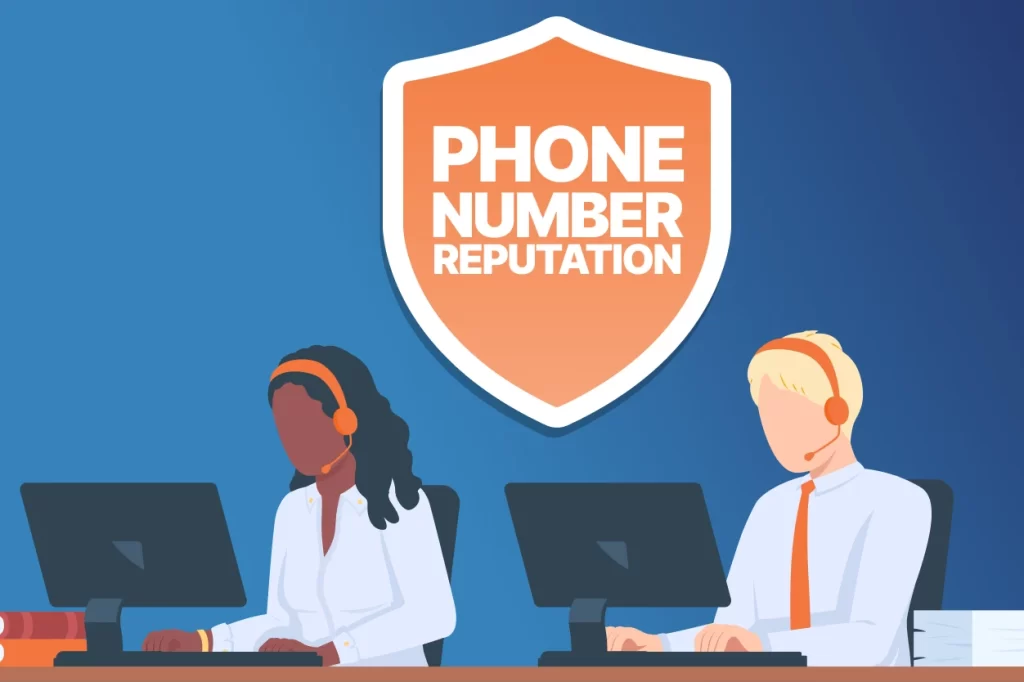
One of the biggest things that has helped me is having enough phone numbers in my campaign so I’m not using the same numbers too much. I personally never want to exceed 100 dials from a single phone number in a 24-hour period. If you’re making thousands of calls but only using a few phone numbers, you can burn through those numbers pretty quickly. One of the features I love about BatchDialer is the phone reputation monitoring. It monitors the health of your numbers, and automatically replaces numbers flagged as spam with clean ones, making it key to maintaining a strong connect rate.
So as my call volume goes up, I make sure I have enough phone numbers to spread the calls out, and I keep an eye on their reputation. Those two features have helped us keep our numbers healthier and our answer rates more consistent.
What practices have helped you maintain healthier phone numbers and more consistent answer rates?
One of the biggest things that has helped me is having enough phone numbers in my campaign so I’m not using the same numbers too much. I personally never want to exceed 100 dials from a single phone number in a 24-hour period. If you’re making thousands of calls but only using a few phone numbers, you can burn through those numbers pretty quickly. As my call volume increases, I make sure I have enough phone numbers to spread the calls out. That has helped us keep our numbers healthier and our answer rates more consistent.
Better Data, Better Conversations
How important is accurate lead and phone data? Can even an experienced caller overcome a low-quality list?
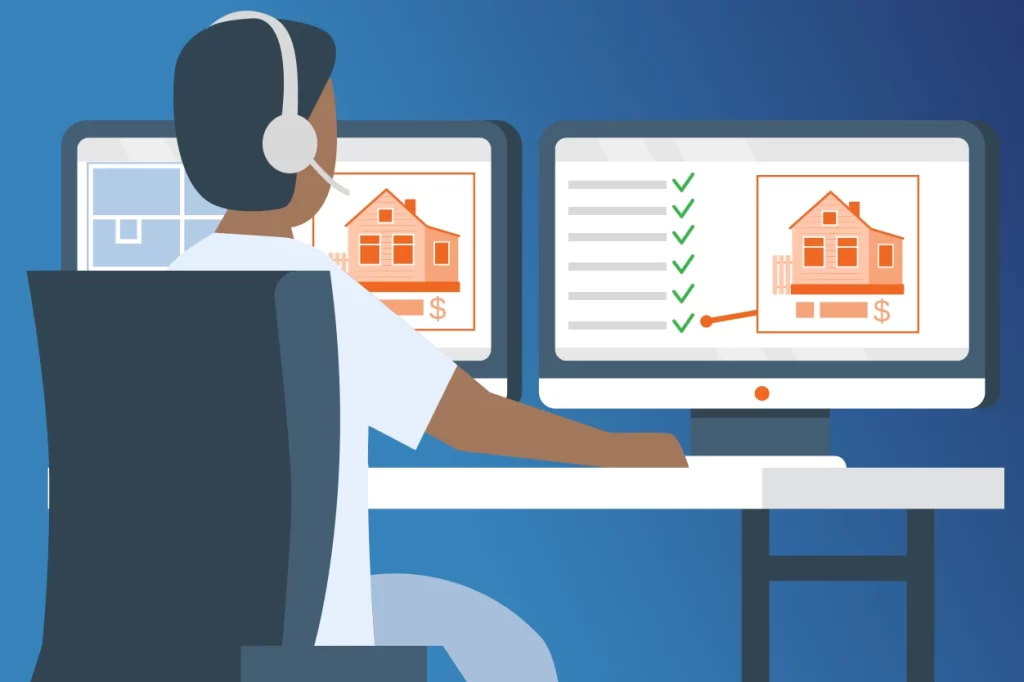
Accurate lead and phone data is huge. You can have the best cold caller in the world, but they can’t have a good conversation with someone they can’t reach. When I see a low connect rate, I don’t automatically assume there’s a problem with the caller or the dialer.
I start looking at the data.
- Is the list fresh?
- Are we calling the right property owners?
- How accurate is the phone data?
- Are we loading too many phone numbers for each person?
I personally like using the top 3 phone numbers for each contact. In my experience, once you start getting past those first few numbers, the accuracy can drop, and you end up wasting a lot of dials.
On a fresh list, I like to see a connect rate of around 45–55%. If we’re starting around 30% or lower, that’s a sign for me to start digging into the list and phone data. A great caller can make the most out of a good conversation, but they can’t fix bad data. Give your callers better data, and you give them more chances to actually talk to the right people.
Which objections do you hear most frequently, and how has your response to them changed with experience?
The number-one cold-calling objection you’ll deal with when making unsolicited calls is skepticism. They don’t know who you are, why you’re calling, or whether they can trust you. That’s why how you sound is so important. You want to sound calm, confident, and genuinely pleasant to talk to. There’s a reason people say “smile and dial.” A smile can be heard through the phone. If you sound nervous, robotic, or like you don’t want to be there, it’s going to be hard to make it past those first few seconds.
Some of the most common objections I hear are,
- “Why did you contact me?”
- “How did you get my number?”
- “Why did you think I’m selling my house?”
- “Have you seen my house?”
- “I just want an offer.”
The biggest thing I’ve learned is to keep your answers short. The shorter and clearer your answer is, the more confident you sound. When you start giving long explanations, you can actually sound less confident and create even more skepticism. Give them a short, confident answer and keep the conversation moving. You’re not trying to win an argument. You’re trying to make them comfortable enough to keep talking.
The Takeaway
Chris’s experience shows that dial count alone doesn’t tell you whether a cold-calling campaign is working. Calling time, list quality, phone data, and how you open a conversation all matter. The goal is to keep calls moving without losing sight of conversation quality.
BatchDialer helps teams find that balance with multi-line dialing to maintain momentum, phone reputation monitoring, remediation to reduce spam, and campaign analytics with team management tools to spot where there is scope for improvement.
Try BatchDialer Free for 7 Days
FAQs
Why am I making hundreds of calls but having few conversations?
Start by checking when you call, how current your list is, and whether the phone numbers reach the right owners. Then review your connect rate and dialer pace. More dials may not help until you know what is limiting conversations.
What metrics should I track besides total dials?
Look at the abandonment rate, conversion rate, and leads generated together. Each tells a different part of the story: whether calls are reaching an available caller, whether people are answering, and whether those conversations are generating leads.
How many phone numbers should I try for each property owner?
Use the top three numbers for each contact. Calling additional numbers can lead to more wasted dials as accuracy drops. Treat that as his approach and review the quality of your own phone data.
Does calling faster produce more real estate leads?
Not necessarily. A faster dialing pace can keep callers busy, but it may also leave too little time to handle answered calls well. Recommend judging speed by the conversations and leads it produces, not by dial count alone.
What tools help balance dialing speed and conversation quality?
A multi-line dialer can reduce time spent waiting for someone to answer, while phone reputation monitoring and campaign analytics help teams spot issues that may affect connections. BatchDialer brings these tools together so callers can adjust their pace while staying focused on productive conversations.
Try BatchDialer Free for 7 Days
How can I keep people talking after they answer?
Start calmly, explain why you are calling, and keep your answers to questions short and clear. Chris finds that long explanations can increase skepticism. The first goal is to make the person comfortable enough to continue the conversation.
Should I make cold calls myself before hiring a caller?
You don’t have to, but it is valuable. Making calls yourself helps to understand common objections, learn what worked with sellers, and train your first caller from direct experience.