
Get a summary of this article with your favorite AI:
Disclaimer: BatchDialer is designed to support responsible outreach, and customers should ensure their prospect connection practices comply with applicable laws and obtain any required permissions.
Key Takeaways:
- B2B cold calling requires a longer-term, research-driven approach than consumer outreach because multiple decision-makers and gatekeepers are involved.
- Structured follow-up cadences, value-based call openers, and objection-handling frameworks help you consistently book meetings.
- Your dialing infrastructure—including number reputation management, campaign performance monitoring, and local presence dialing—is just as important as your pitch.
As a real estate professional, cold calling another business (B2B) requires a different approach from calling a homeowner (B2C). Among other things, it takes careful industry research, navigating gatekeepers, and handling different objections.
In this article, we’ll cover best practices for cold calling other businesses and how to implement a structured dialing workflow with BatchDialer to boost your connection and conversion rates.
Why B2B Cold Calling Is Different From Consumer Outreach
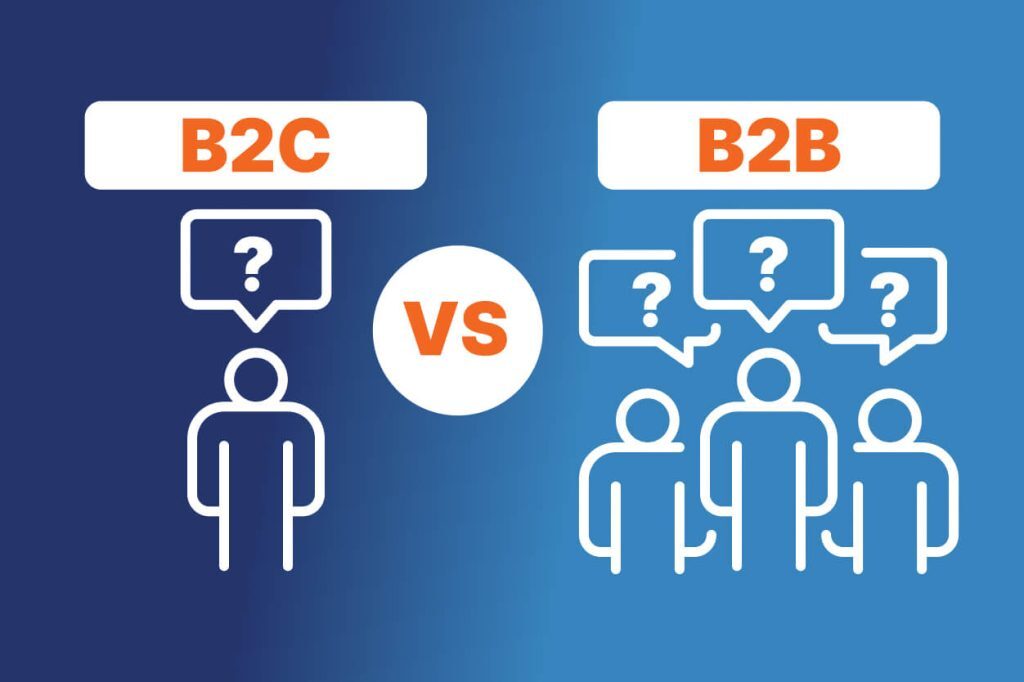
Business-to-business (B2B) cold calling differs from business-to-consumer (B2C) cold calling in a few ways.
For one, the sales cycle is usually longer since multiple decision-makers are often involved. In many cases, you’ll need to earn the trust of several property owners—not just one.
Additionally, gatekeepers may make it more challenging to even reach decision-maker(s) in the first place. For example, you might be forced to speak with a customer service representative and request that your call be forwarded to the right person.
Finally, many businesses expect a more personalized pitch. If you’re unfamiliar with a company, your call may be quickly dismissed. Just as important is the value you bring—if they can’t clearly see the ROI of what you’re offering, they’re far less likely to engage.
Do Strategic Prospect Research Before Dialing
Before cold calling a business prospect, do your homework. This means:
- Research the company size, industry, and growth stage. That way, you know where the company stands and how to tailor your product or services.
- Identify decision-maker titles and reporting structure. This helps you know who you need to talk to and streamlines your path to them.
- Understand pain points specific to that sector. Addressing these helps you resonate better with prospects and capture their interest.
- Prepare tailored talking points before the first call. It’s always better to come to a call prepared than to improvise on the spot and risk losing a potential client.
- Verify your business with carriers before launching outbound campaigns. It helps strengthen your caller identity, supports a healthier caller reputation, and reduces the likelihood of spam labeling.
By coming to every cold call prepared, you may see your closing rates multiply.
Navigate Gatekeepers With Confidence
Running up against gatekeepers isn’t easy—but there are effective ways to navigate past them.
The key is to stay confident and concise. For example, if you reach a customer service representative, consider referencing a mutual connection or internal referral if possible. Avoid over-explaining or sounding uncertain, as that can weaken your position. Instead, communicate with clarity and purpose—this helps establish credibility and signals that you should be speaking with a decision-maker.
Whatever you say, focus on the value you offer —not just your need to speak with someone. Position the conversation around how you can help, rather than what you want.
Here are a couple of value-driven opening examples:
- “I work with companies in your industry to help solve [common industry problem]. I wanted to see if that’s something your company is looking at this quarter.”
- “I’ve been working with similar companies on [common industry problem], and I have some insights that might be relevant. Would it make sense to connect with the right person on your team?”
B2B Objection Handling Frameworks
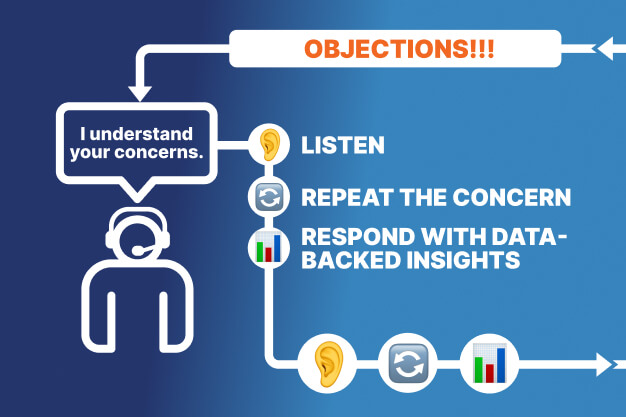
Once you reach a decision-maker, objections around cost, need, or timing are common. The key is knowing how to handle objections effectively and keep the conversation moving forward.
Start by recognizing the difference between a brush-off and a real objection. If a prospect quickly says they’re not interested, they likely haven’t fully considered your offer. In these cases, focus on sparking curiosity before addressing concerns.
For genuine objections, begin by listening carefully. Then restate the concern to show you understand. From there, respond with clear, data-backed insights that address the issue, such as pricing comparisons or typical timelines.
If concerns remain, ask what would make the offer worthwhile for them. If it’s something you can meet, say so. If not, shift toward scheduling a brief follow-up conversation.
Ultimately, objection handling should help you qualify opportunities, not create friction.
Optimal Call Timing and Cadence
When calling B2B prospects, timing can be just as important as your message.
The best time to make B2B cold calls is typically between 9:00 – 11:00 AM and 2:00 – 4:00 PM, especially on Tuesday through Thursday. During these windows, prospects are more likely to be at work, available, and not yet pulled into meetings, lunch breaks, or end-of-day wrap-ups.
Mid-week outreach also helps you avoid the Monday backlog and the Friday slowdown, improving your chances of getting a response. To maximize effectiveness, it’s important to vary your outreach times—try calling in the morning on one day, then testing an afternoon time slot later in the week. This approach helps you connect with prospects who may have different schedules and availability.
Equally important is how often you follow up. Don’t call just once and mark the lead as unresponsive, but avoid calling too frequently as well. The goal is to stay persistent without overwhelming the prospect.
A structured, multi-touch follow-up sequence using a platform like BatchDialer can help you maintain consistency. Track what works, adjust your timing, and refine your call cadence over time to improve connection rates.
Psst! BatchDialer now offers simplified, lower pricing to make outbound calling more accessible. Learn more about the new plans and pricing.
Dialing Infrastructure and Number Reputation in B2B
To stay in good standing with both phone carriers and prospects, you need a reliable dialing infrastructure. BatchDialer is designed to help protect your number reputation while increasing efficiency.
High call volume from a single number can trigger spam labels and reduce answer rates. BatchDialer helps prevent this with TCPA compliant dialing methods to keep your outreach consistent and compliant. It also rotates phone numbers to distribute call volume, reducing the risk of any single number being flagged.
Pro Tip: To protect your number reputation, aim for 75-100 calls per number per day. This helps reduce the chances of being flagged as spam.
Additionally, BatchDialer’s local presence dialing can help boost your connection rates. It matches your phone number to the recipient’s local area code, so they’re more likely to pick up (studies show that people are four times more likely to answer calls from local numbers).
Lastly, BatchDialer’s Campaign-level reporting dashboard enables you to monitor answer-to-call ratios, agent performance, and other metrics, helping you make on-the-go tweaks to team strategy. Ultimately, success in B2B outreach is not just about dialing more. It is about maintaining strong connection rates over time.
KPIs to Track for B2B Outbound Teams
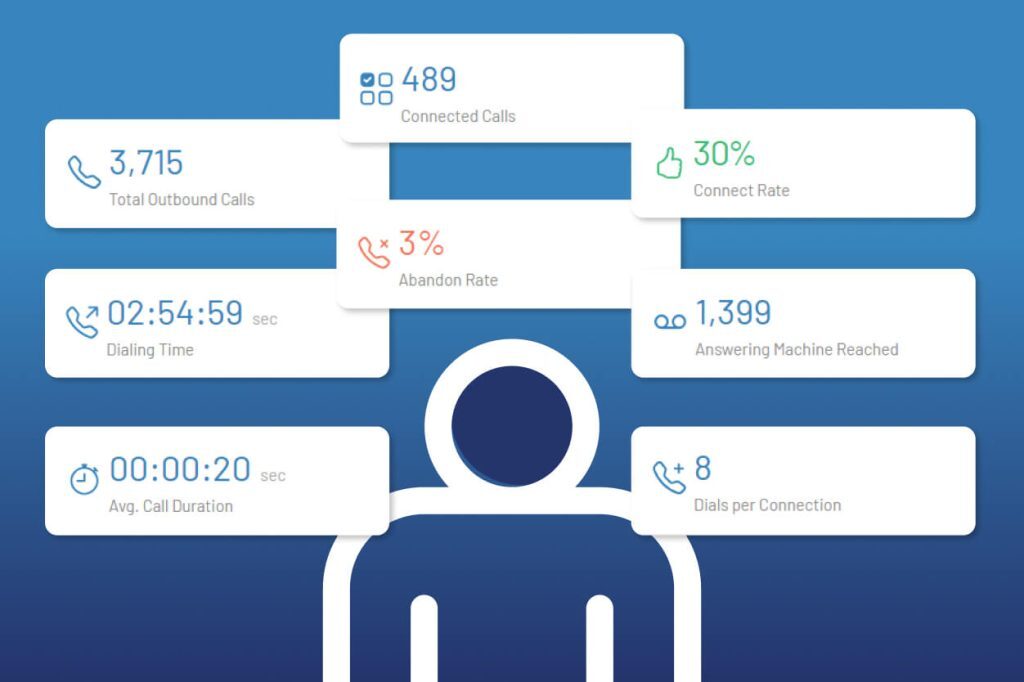
Here are some key performance indicators (KPIs) B2B outbound sales teams should track:
- Connection rate: The percentage of calls that are answered.
- Talk time per conversation: The average length of each call.
- Meetings booked per 100 dials: The number of appointments scheduled for every 100 call attempts.
- Appointment-to-close ratio: The percentage of booked meetings that convert into sales opportunities and move forward in the pipeline.
- Revenue per rep per month: The amount of revenue generated by each representative.
Hold regular performance reviews to identify areas for improvement. Over time, you can refine your dialing workflow to increase both connection and conversion rates.
Note: BatchDialer provides visibility into many of the most important KPIs directly within its main dashboard, making it easy to monitor performance at a glance. While these core metrics are essential, you should still evaluate and adjust which KPIs you focus on based on your specific business goals, sales process, and team structure. Additional metrics can be layered in as needed to ensure you’re tracking what truly drives performance for your team.
Final Tips for Success
Here are some final best practices to follow for any B2B outbound calling campaign:
- Focus on reaching the right decision-makers, not just increasing call volume.
- Track key metrics like meeting conversion rate and talk time using BatchDialer reporting, not just total dials.
- Protect your number’s reputation with Automatic Number Replacements, Phone Reputation Monitoring, and Business Verification.
- Treat outbound as a structured system supported by consistent workflows and the right technology, not just daily activity.
Ultimately, B2B cold calling success comes from structure, strategy, and disciplined execution.
Use BatchDialer’s predictive or preview dialing, combined with campaign controls, to create a more efficient outbound system that consistently drives qualified meetings.
Start your 7-day free trial today.
Frequently Asked Questions (FAQs)
What are the most effective B2B cold calling strategies for beginners?
Start with thorough prospect research, prepare tailored talking points before every call, and focus on leading with value rather than a hard sell.
How can I improve my B2B call conversion rate?
Verify your business with carriers and track your performance closely and use those insights to refine your scripts and call timing. Small adjustments can lead to big differences over time.
What is the best approach to cold-calling B2B decision-makers?
Research the decision-maker’s role and pain points before calling. Then lead with a clear value proposition that fits into a concise opener.
How do I handle objections in B2B cold calling?
First, distinguish between a brush-off and a real objection. For real objections, listen carefully, restate what you heard, and respond with data where possible. If the objection isn’t immediately resolvable, pivot to scheduling a short follow-up meeting.
How can I increase meeting bookings from cold calling?
Call during high-engagement windows like mid-morning and mid-week, follow a structured multi-touch cadence, and ensure your opener speaks directly to the prospect’s pain points.
What outbound sales KPIs should I be tracking?
Some of the most important KPIs for B2B outbound teams are connection rate, talk time per conversation, meetings booked per 100 dials, appointment-to-close ratio, and revenue per rep per month.